
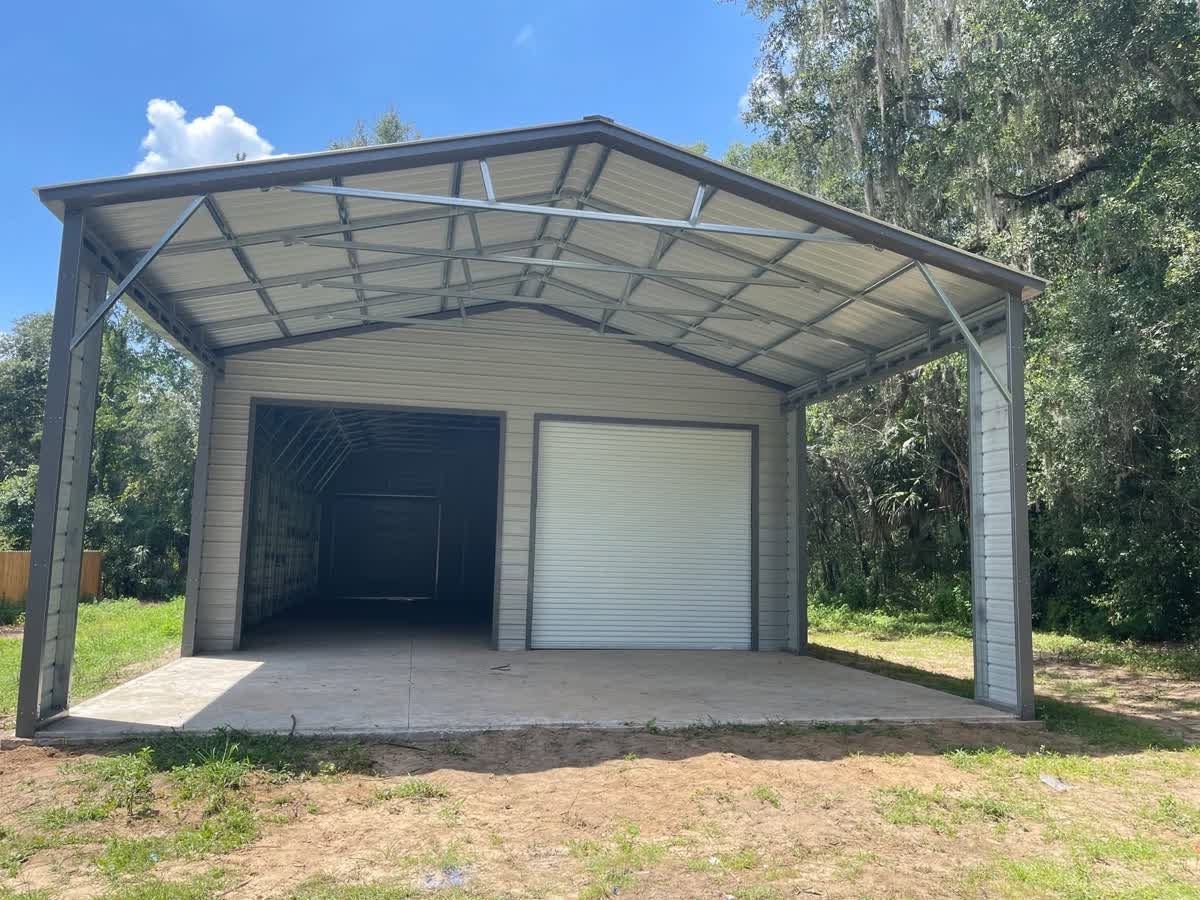
Workspaces Built for Equipment and Fabrication
Workshop Building Planning Services in Tampa for business owners and hobbyists requiring steel workshops or fabrication spaces
Proper builder alignment early in the planning stage determines whether a workshop building meets the electrical load, ventilation, and layout requirements for the tools and processes you intend to use. LBL Enterprises plans workshop projects by consulting with clients on scope definition and matching them with builders experienced in personal, commercial, and hobby workshops, including steel fabrication spaces and storage-work hybrid buildings. Operating nationwide from Weeki Wachee, the service addresses demand from clients who need workspace separate from residential structures or existing commercial facilities.
Planning services resolve confusion about which builder can configure a workshop for specific equipment such as welding stations, CNC machines, or woodworking tools that require dedicated electrical circuits, dust collection, and floor load capacity. The distinction between a basic storage building and a functional workshop matters when contractors must install three-phase power, concrete slab reinforcement, or overhead crane systems.
Submit a workshop planning request to define your project scope and receive builder recommendations.
Why Builder Selection Impacts Workshop Functionality
Workshop planning begins with scope definition where LBL reviews intended use, equipment requirements, and site constraints. Builders are matched based on their experience with similar workshop types, whether personal hobby spaces, light manufacturing facilities, or storage buildings with integrated work areas. The matched contractors provide input on electrical service sizing, interior layout optimization, and material choices that affect long-term durability under heavy use.
Once planning is complete and builders are introduced, you receive proposals that specify foundation type, insulation levels, door configurations, and utility rough-ins tailored to workshop operations. The proposals clarify whether the building will support welding, painting, or machining processes that generate heat, fumes, or metal shavings requiring specific ventilation and fire-rated materials.
Customization for equipment access, bay door placement, and interior work zones allows the workshop to function efficiently from day one rather than requiring costly modifications after construction. Builders in the network handle permit coordination and utility service connections as part of their contracts, ensuring the workshop meets local building codes for commercial or residential use.
Common Questions About This Service
Clients planning workshop buildings often seek clarity on builder capabilities, customization options, and the planning process itself.
What makes a workshop building different from a standard garage or storage shed?
Workshops require electrical service sized for power tools and equipment, reinforced flooring to support machinery weight, and often climate control or ventilation systems to manage heat and dust generated during fabrication or assembly work.
How does LBL determine which builders to match with a workshop project?
Builders are evaluated based on completed workshop portfolios, experience with electrical and HVAC integration, and familiarity with the specific use case such as metalworking, woodworking, or light manufacturing.
What role does LBL play after builder introductions?
The planning service connects you with matched builders and provides initial scope guidance, but does not manage construction, permitting, or contract negotiations once introductions are made.
Why is early planning important for workshop projects?
Defining equipment needs, power requirements, and layout preferences before contacting builders ensures the contractors you speak with can design and price the building accurately rather than revising proposals multiple times due to incomplete specifications.
Can workshop buildings be expanded or modified after construction in Tampa?
Most steel workshops allow future expansion if the foundation and framing are designed with additional bays or sections in mind, but planning for growth during initial design is more cost-effective than retrofitting later.
LBL Enterprises matches workshop clients with builders across the country who specialize in functional work spaces tailored to equipment and fabrication needs. Reach out to start the consultation process and receive builder introductions based on your workshop specifications and intended use.